Sciatica is a debilitating condition that affects millions of people worldwide. The sharp, shooting pain that radiates from the lower back down the leg can make simple tasks like walking, sitting, or even sleeping feel like an insurmountable challenge.
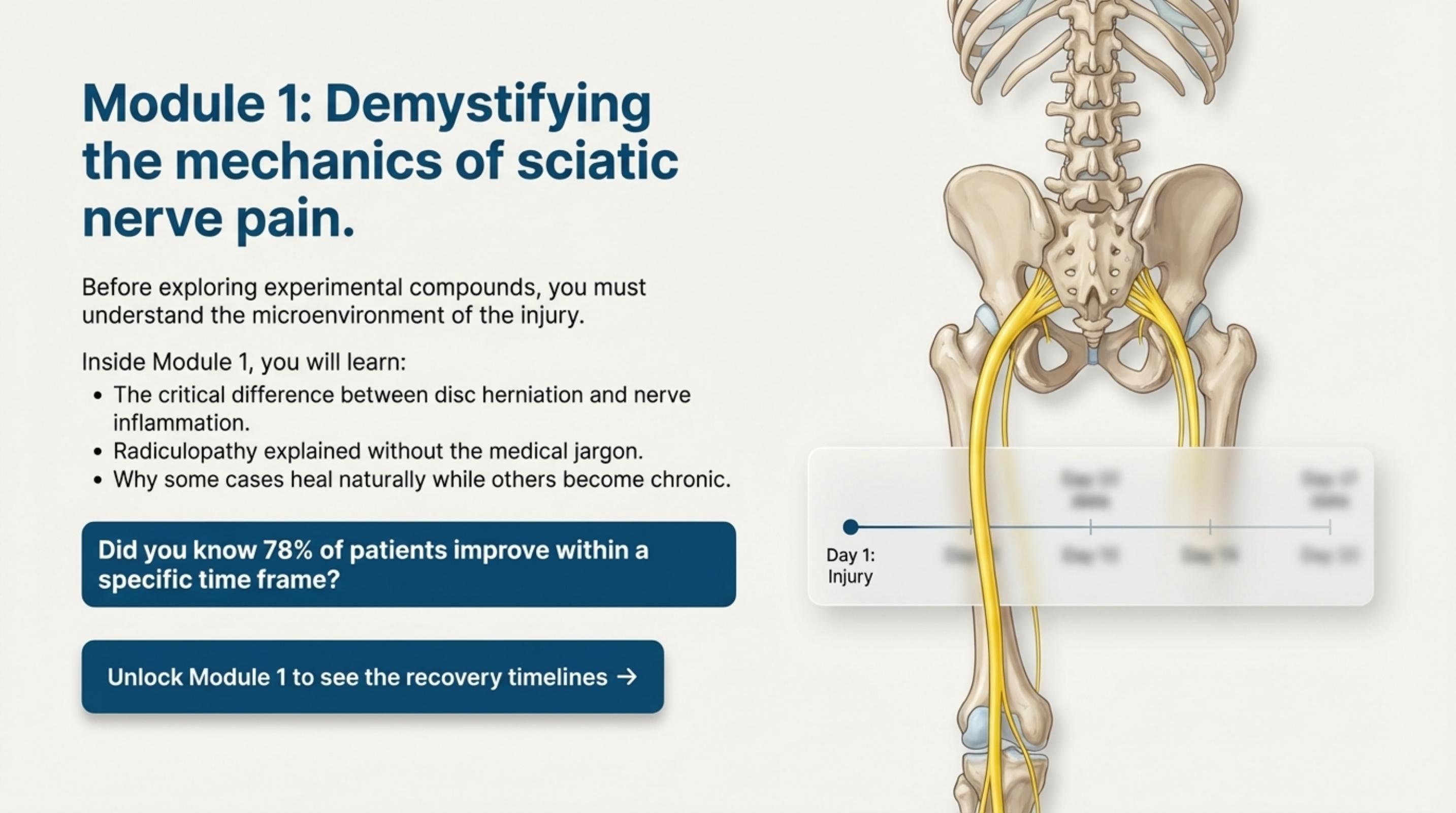
If you've suffered from it, you know the cycle all too well. It begins with an awkward twist, a heavy lift, or simply years of accumulated stress. Suddenly, you're hit with a sensation that feels like electricity coursing through your glutes, down your hamstring, all the way to your foot. Over time, that sharp pain settles into a numb, throbbing ache that dictates how you move throughout the day. It dictates your mood, your energy levels, and your life.
The Problem With Modern Treatments
For many, conventional treatments—ranging from physical therapy and NSAIDs (like Ibuprofen) to steroid injections and, in extreme cases, microdiscectomy surgery—offer only temporary relief or carry significant risks and extended downtime.
Why doesn't standard care always work? Most treatments try to mask the symptom (pain) rather than targeting the root architectural breakdown. A herniated or bulging disc compresses the sciatic nerve, triggering massive localized inflammation. Corticosteroid injections temporarily bathe the nerve in anti-inflammatories, offering temporary relief, but they do nothing to heal the annulus fibrosus (the tough outer layer of the spinal disc) or regenerate the damaged nerve sheath. In fact, repeated steroid use has been shown in clinical studies to actually degrade cartilage and weaken connective tissue over time.
But in recent years, a quiet revolution has been brewing in the fringes of the medical, athletic, and biohacking communities. Desperate for lasting relief, thousands of sciatica sufferers who have exhausted traditional physical therapies and are fearful of spinal surgery have begun looking into a class of compounds known as peptides, specifically BPC-157 and TB-500.
"We are shifting from an era of managing degeneration to an era of promoting regeneration. Peptides like BPC-157 dictate signaling pathways that literally instruct the body to speed up its natural repair mechanisms, doing in weeks what normally takes months."
The Science of Repair: BPC-157
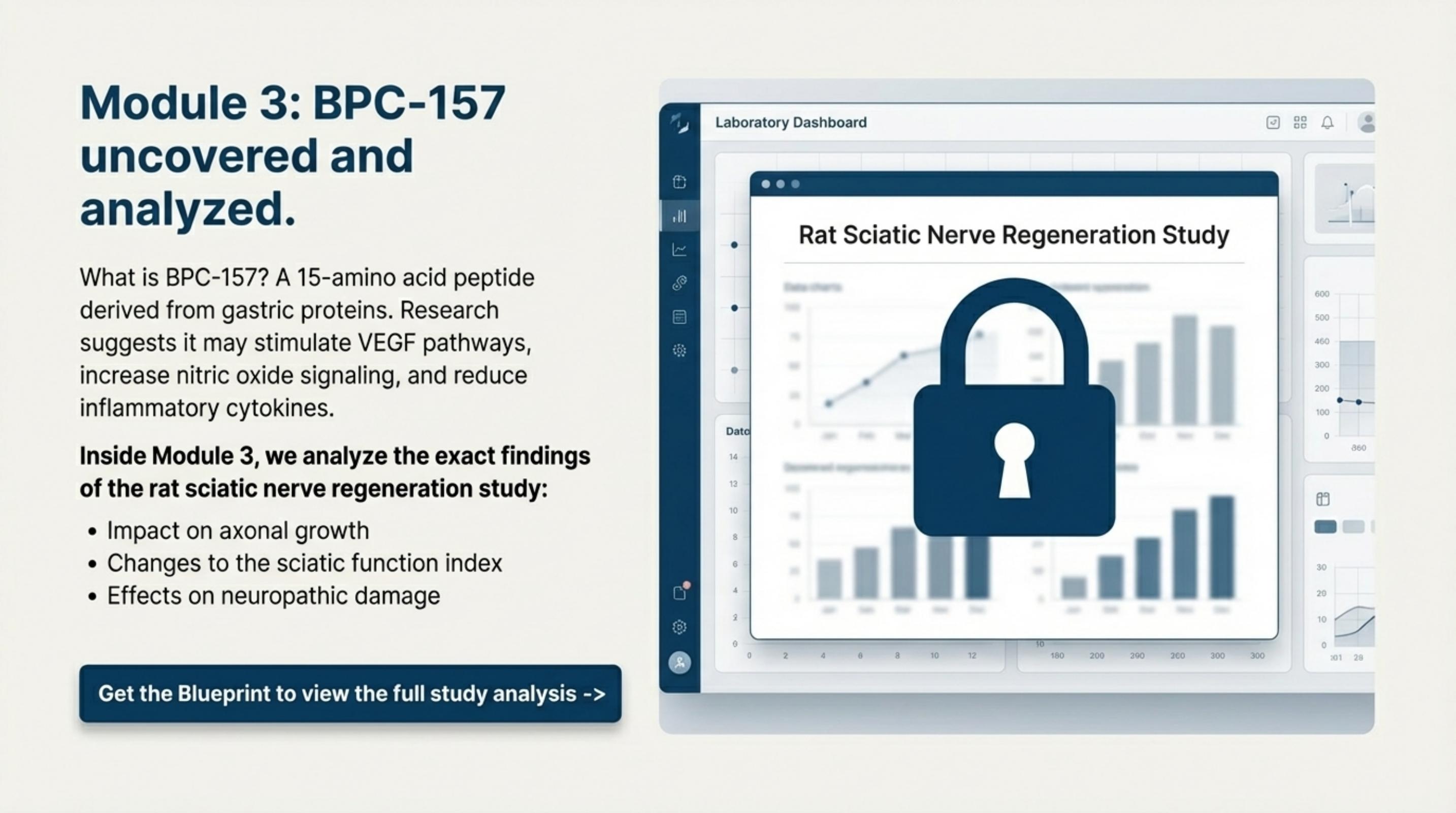
Body Protection Compound-157 (BPC-157) is a synthetically produced peptide isolated from human gastric juice. While initially studied for its profound ability to heal stomach ulcers, intestinal damage, and inflammatory bowel anomalies, researchers quickly discovered its remarkable systemic healing properties extended far beyond the gut.
Dubbed the "Wolverine Peptide" among professional athletes, studies have shown that BPC-157 dramatically accelerates the healing of tendons, ligaments, and muscle tears. It bridges the gap in avulsed Achilles tendons in rats and rapidly mends fractured bones by encouraging the proliferation of fibroblasts—the cells responsible for creating the structural framework of human tissue. And when it comes to back pain, healing the ligaments holding the vertebrae in place and the dense tissue of the spinal discs is absolutely paramount to taking pressure off the nerve.
Scientific Breakdown: Angiogenesis and Nerve Repair
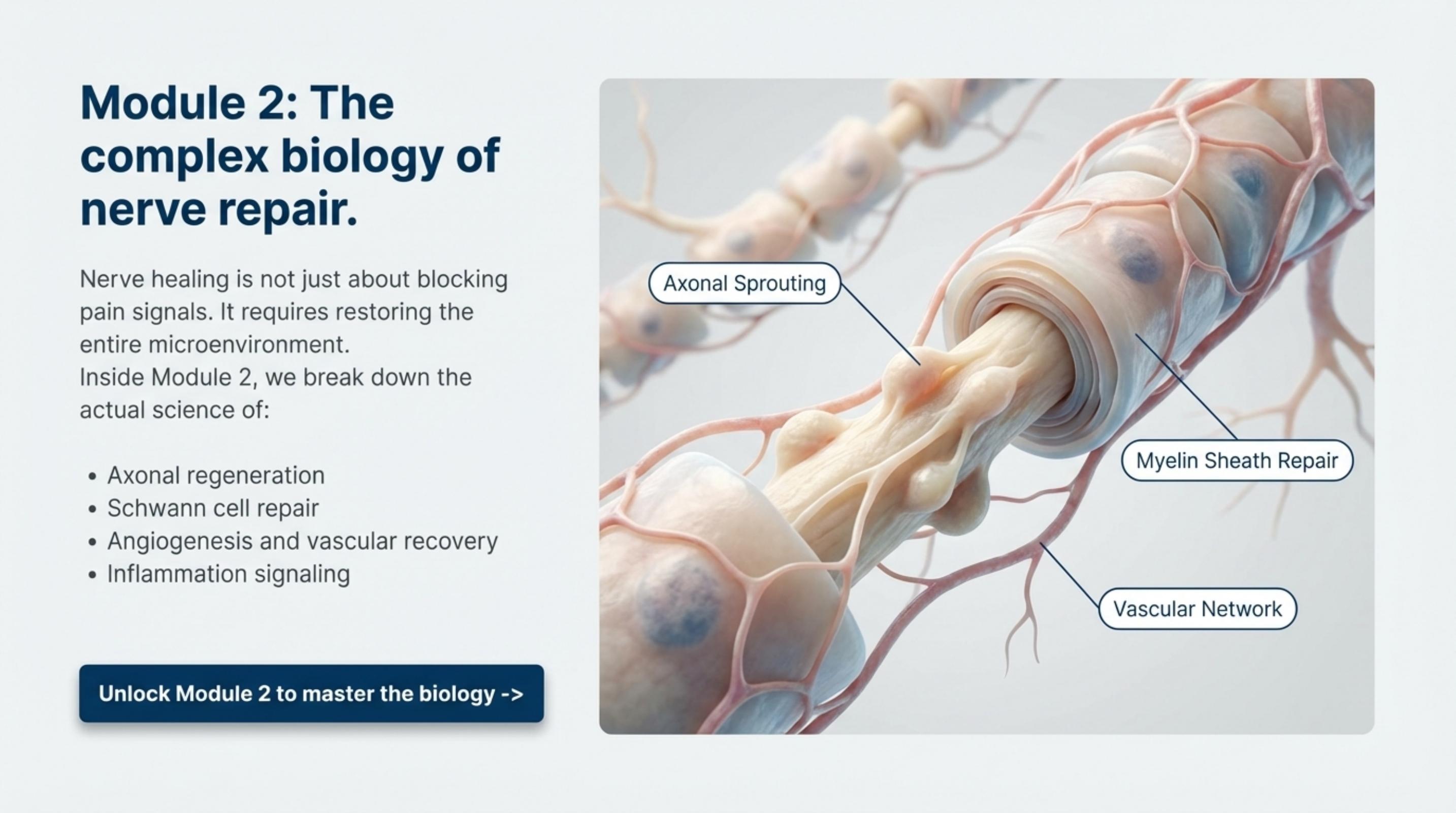
The primary mechanism by which BPC-157 is believed to aid in nerve and tissue repair is through angiogenesis—the formation of new blood vessels. By upregulating VEGF (Vascular Endothelial Growth Factor), BPC-157 increases capillary density and blood flow to damaged areas. Because spinal discs are notoriously avascular (meaning they lack their own blood supply), they heal incredibly slowly. By increasing localized vascularity, more oxygen and nutrients are delivered directly to the site of injury, potentially accelerating the repair of the disc and the myelin sheath of the crushed nerve, thereby reducing neuroinflammation.
TB-500: The Anti-Inflammatory Powerhouse
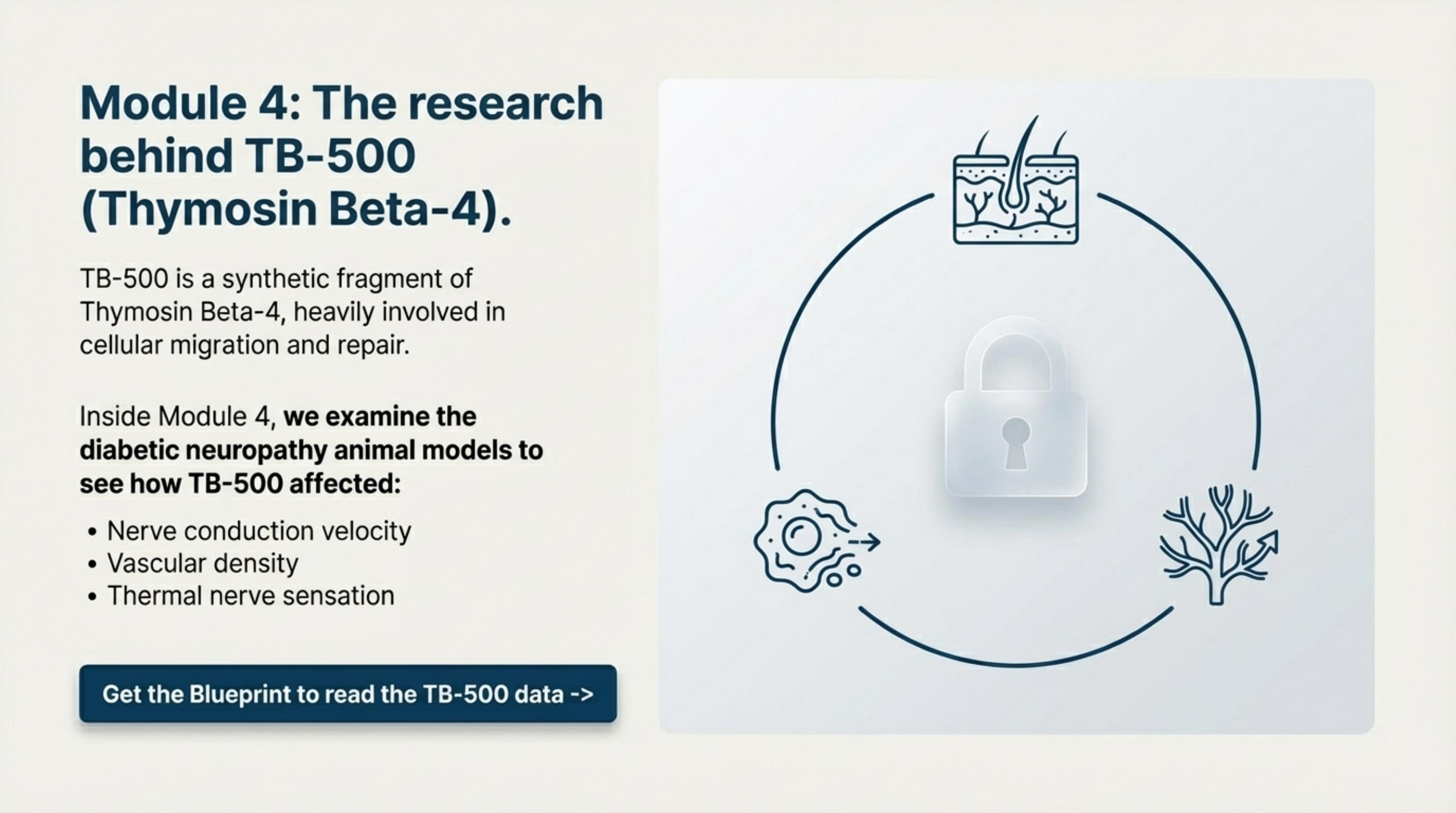
Thymosin Beta-4 (the naturally occurring protein from which the research peptide TB-500 is derived) is a major actin-sequestering protein in cells. Actin comprises the cellular "skeleton" involved in movement and structural integrity. Thus, TB-500 plays a vital role in cellular migration—essentially building the bridges required for new cells to travel to damaged areas.
Beyond cell migration, TB-500 is fiercely effective at downregulating inflammatory cytokines. For sciatic nerve pain, which is heavily driven by chemical inflammation pooling around the nerve root after a disc injury, TB-500's potent systemic anti-inflammatory effects have made it a subject of intense interest. It not only clears out the acute swelling but also prevents the formation of excessive fibrous scar tissue around the injury, preserving flexibility and range of motion during the healing process.
The "Wolverine Stack": Why Sufferers Combine Them
In independent research circles, these two peptides are almost always studied together in what is affectionately dubbed the "Wolverine Stack." The reasoning is simple: biological synergy.
- BPC-157 speeds up the actual structural healing of the ligament and the revascularization of the damaged area.
- TB-500 controls the inflammatory response, mitigates scar tissue, and promotes cellular migration, allowing BPC-157 to do its job unimpeded.
When applied to a complex musculoskeletal issue like sciatica—which typically involves a combination of muscle spasms (piriformis syndrome), inflamed neural tissue, and torn spinal ligaments—the dual-pronged approach aims to address the entirety of the breakdown rather than just masking a single localized symptom.
The Challenge of Sourcing and Protocols
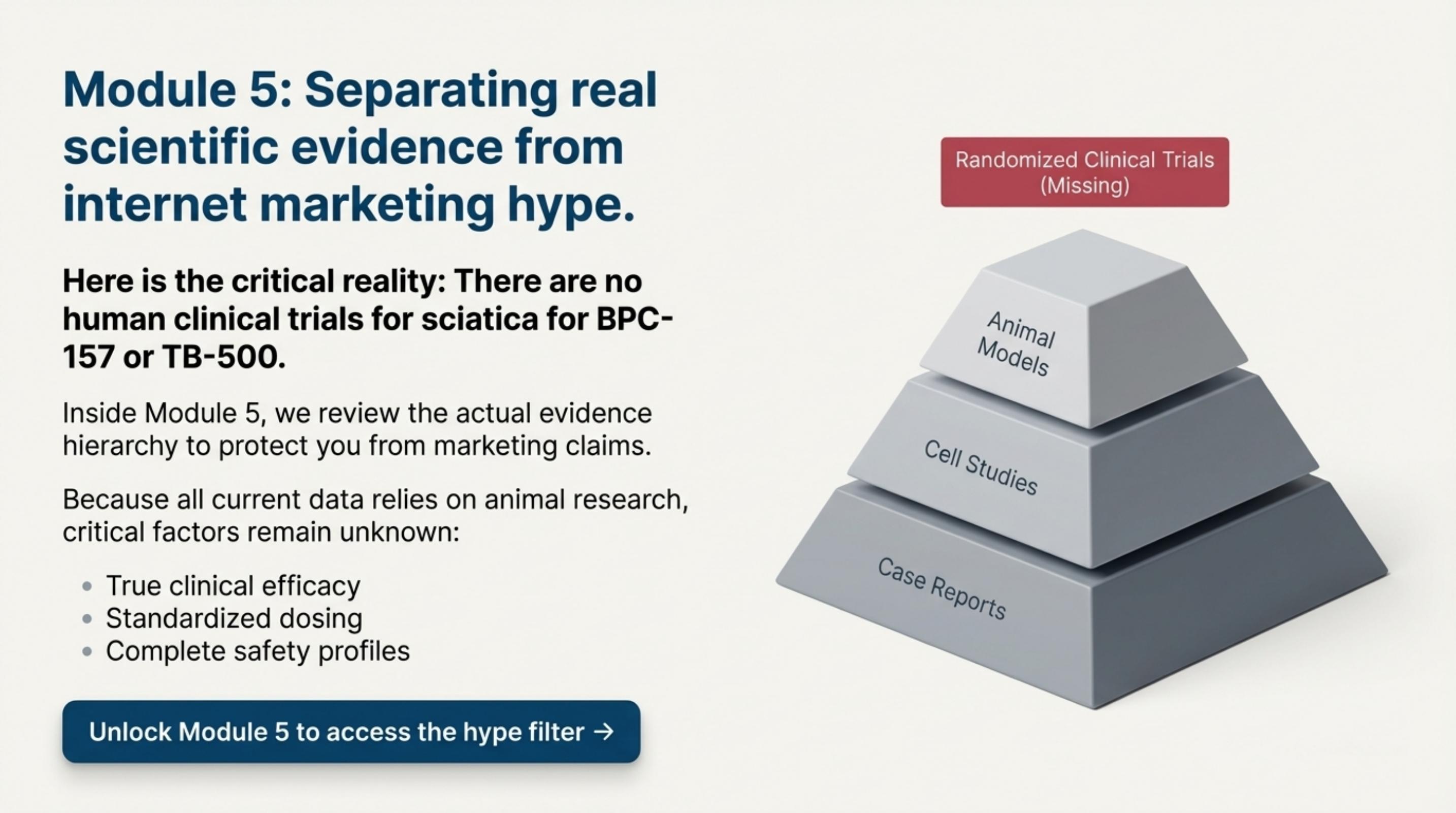
Despite the incredibly promising preliminary research and the thousands of glowing anecdotal reports spreading across internet forums, navigating the world of peptides is fraught with danger.
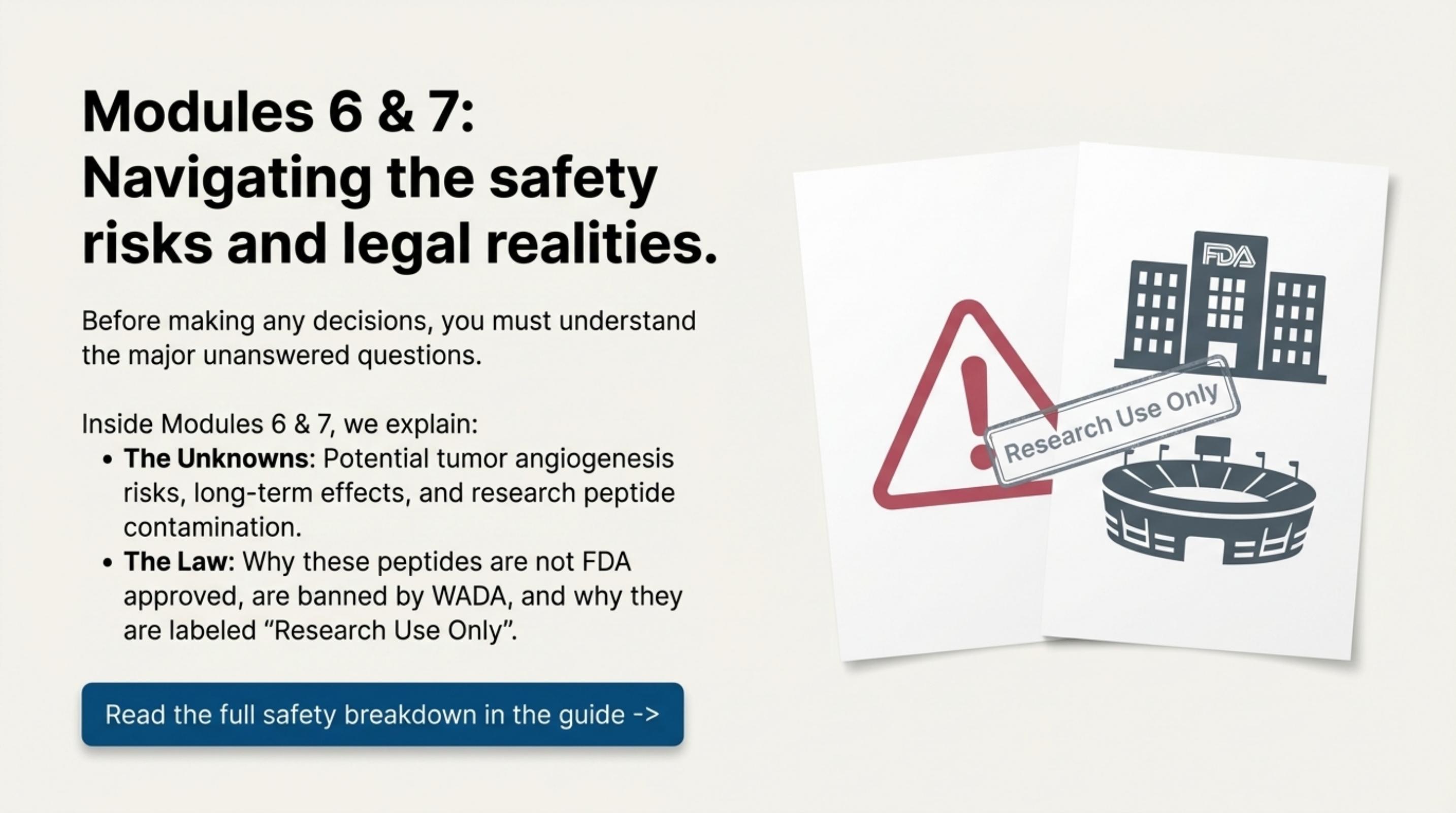
Because these compounds are not FDA-approved for human consumption and remain strictly "Research Chemicals," they cannot be legally marketed as dietary supplements or medications. This legal grey area has led to a flood of black-market suppliers selling underdosed, impure, or completely fake products. Furthermore, the math required for reconstitution (mixing the lyophilized powder with bacteriostatic water), deciding between subcutaneous injections versus oral capsules, and establishing correct dosing frequencies leaves many would-be researchers paralyzed with confusion.
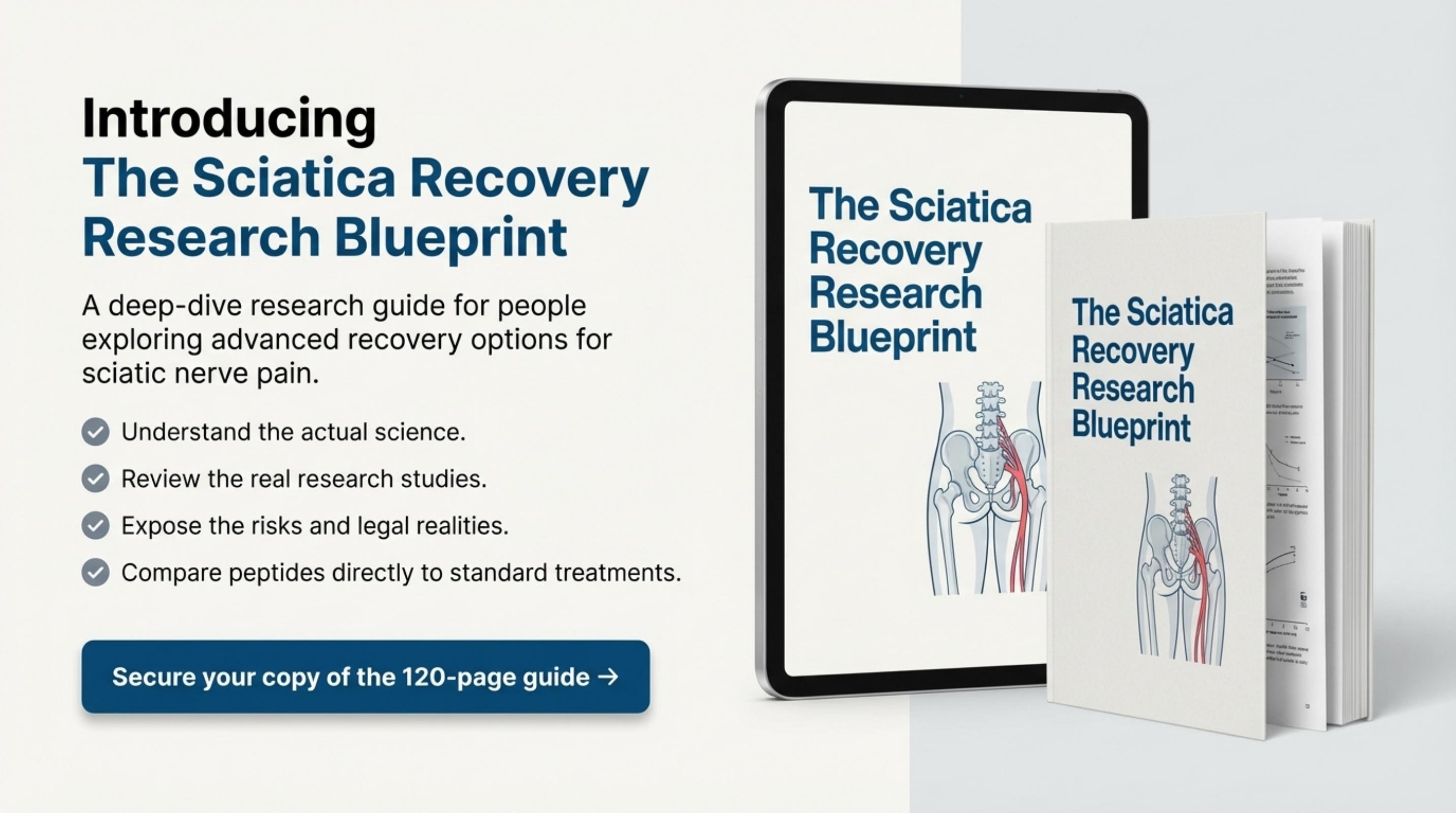
That's precisely why we've compiled all the peer-reviewed data, expert insights, and community findings into one centralized, easy-to-understand comprehensive resource.
Important Medical Disclaimer
The information provided in this report is for educational and research purposes only and is not intended as medical advice. BPC-157 and TB-500 are experimental research chemicals and are not approved by the FDA for human use. Always consult with a licensed healthcare professional before considering any new treatment protocol, supplement, or peptide therapy.